
Clear Tools, Clear Message
You can spend hours polishing a design or editing a video - adjusting colors, fixing fonts, trimming clips, adding captions. You hit publish, get a few likes, maybe a comment or two… and still no sales.
The problem usually isn’t the tool. It’s that complexity buries your message.
Many online experts think they need high-end production to look “professional.” So they stack more apps, buy more software, and keep building. But complicated systems often hide a weak message. When your offer isn’t clear, better design just makes the confusion look prettier.
Simple tools help you turn one clear message into repeatable content. They make it easier to show your offer, explain the result, and guide people to the next step. When the tools are simple, you spend less time producing and more time selling.
I learned the importance of clarity early in my career. My work required breaking down complex ideas so others could understand the real value behind them. That experience taught me something I still believe today: if you can’t make it simple, you can’t sell it.
Why Your Tools Should Make Your Message Clearer

Most experts start by building a website, a funnel, a brand kit, a course portal, or a content calendar. Building feels safe because it’s measurable. You can point to a logo or a landing page and say, “I worked today.”
Selling feels different. Selling requires a clear promise - who you help, what problem you solve, and what happens next. That’s why your tools should make your message clearer, not louder.
In every field I’ve worked in, the top performers didn’t win because they had the most slides or the fanciest visuals. They won because people understood the value in plain words. They could explain the problem, the cost of doing nothing, and the outcome of choosing the solution. That’s solution selling. It starts with clarity, then earns trust.
Online business works the same way. Buyers are asking simple questions:
Is this for me?
Can this person help me?
What will change if I buy?
What do I do next?
When your tools push you into overproduction, you stop answering those questions. You start polishing instead of offering. You hide behind “content” instead of making a clear invitation.
A good system does three things:
Repeats your message without rewriting it daily
Keeps your look consistent so people recognize you
Makes it easy to take action - book, buy, reply, click
If a tool adds steps, it should add sales. If it adds steps and stress, it’s a distraction. Clear tools support clear positioning. And clear positioning turns attention into income.
Using Design Tools to Build Authority
Design tools should help you show your value fast - not turn you into a full-time designer. They work best when they reduce decisions, not increase them.
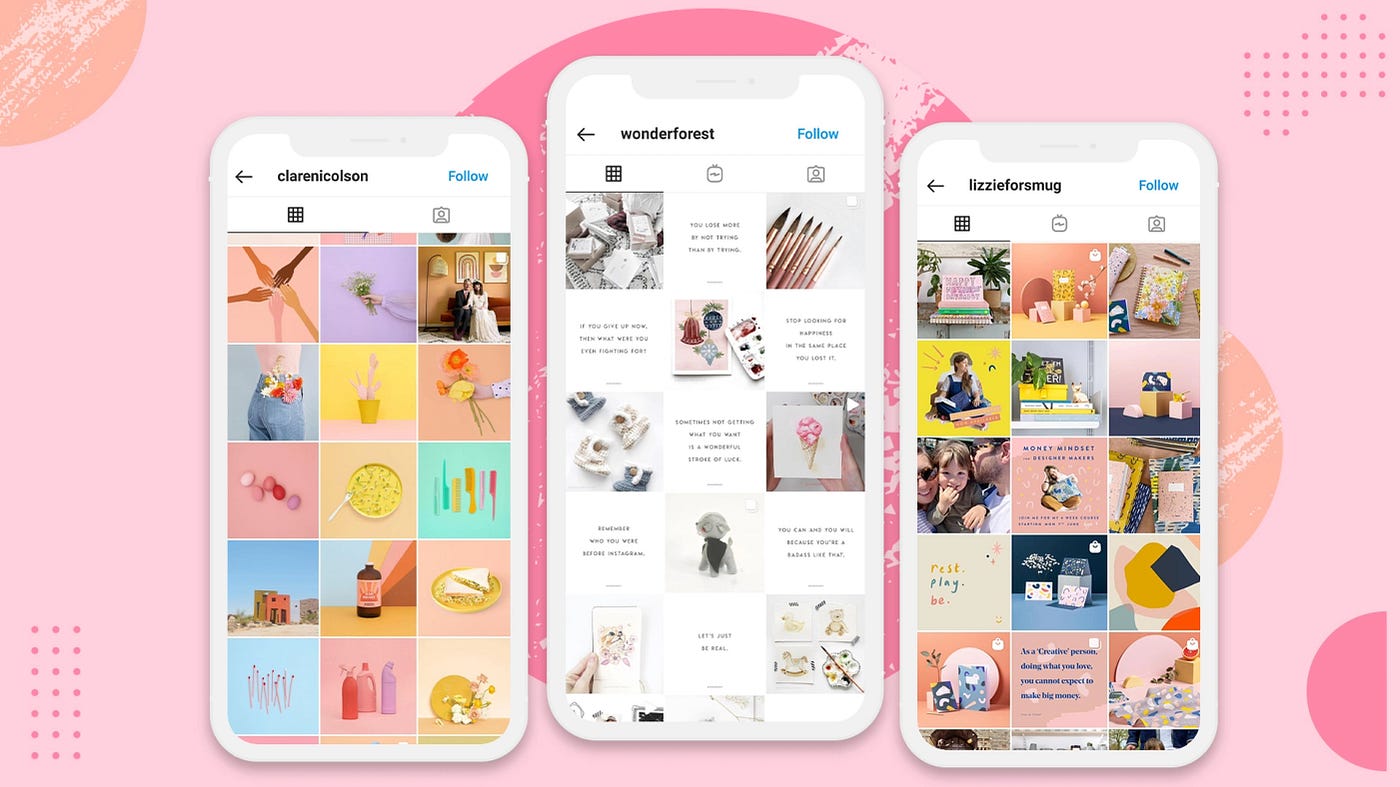
Authority is built through repetition. People trust what they recognize. If your posts look different every time, your audience has to work harder to connect the dots. Consistent visuals make your message feel stable and signal that you’re organized - which matters when you sell a service or program.
Here’s how simple design systems build authority:
1) Create a “visual home”: Choose a few colors, one or two fonts, and a small set of templates. Reuse them. Familiar beats fancy.
2) Turn your method into clear assets: Most experts have a framework, even if they don’t call it that. Turn your steps into a one-page diagram, a checklist, a simple carousel, a clean PDF or one-pager. When your method is visible, your offer feels more real. It also makes sales calls easier because you can walk people through something concrete.
3) Build content that reinforces your positioning: Create a small library of posts that repeat your core message: Who you help, common mistakes, before/after examples, client wins and lessons, and keep your branding simple: one brand kit, five core templates, and one message bank you copy/paste from.
One honest truth is that no design tool can fix unclear positioning. But when your message is tight, simple tools help you repeat it with less effort.
How Simple Video Tools Create Human Connection
Video builds trust faster than text. People can hear you, see you, and feel your tone. But many experts think video requires long timelines, perfect lighting, and heavy editing. Perfection slows you down - and makes you sound scripted.
Simple video tools help you respond to real problems in real moments. That’s what buyers want: to feel understood and guided.
Here are high-impact ways to use quick video communication:
Video for leads
When someone asks a question, send a short video:
Restate their problem
Share one insight
Give one next step
It feels personal but stays efficient. You can even reuse your best videos for future leads.
Video for proposals and follow-ups
Written proposals get skimmed. A quick walkthrough gets watched.
Open the proposal
Explain your recommendations
Highlight the outcome and next steps
This reduces back-and-forth and builds confidence.
Video for clients
Use video for onboarding, feedback, and support:
Welcome messages
“How to use this” walkthroughs
Feedback on drafts
Quick wins between sessions
Clients stay calmer when they know what to do next. A simple rule would be, If typing takes more than six minutes, record a video. You’ll say it in two minutes, and your client will feel taken care of.
Choosing the Right System for Your Business
There are two common paths:
The “expert” way - complex
You collect tools like badges: A design tool, a video editor, a project manager, a CRM, a funnel builder, a scheduler, a course platform, and automations connecting them.
Complex systems can work - but they require a team or a lot of time. If you’re still building steady sales, complexity steals your focus.
The simple way - clean and effective
A simple system supports one clear offer:
A design tool for consistent visuals
A video tool for fast communication
One place to book or buy
One place to track leads
Then you do the work that matters: Talk to people. Make offers. Refine your message based on real conversations.
Use this filter when choosing tools:
Does it help buyers understand the value faster?
Does it reduce my time to publish or follow up?
Can I run it without a specialist?
If the answer is no, pause.
Moving to a Simpler Sales System
Tools are meant to support your message, not replace it. They can help you show your value with less effort, but they cannot carry a weak offer. If your positioning is unclear, you’ll keep producing content and still feel stuck.
The trap is “always building.” It feels productive, but it delays the real work - talking to buyers and making clear offers. Building is helpful only when it removes friction from selling.
So here’s the final move:
Pick one message you want to be known for.
Create a small set of templates that repeat that message.
Use simple video to have faster, more human conversations.
Focus on sales positioning first, and then use simple tools to repeat the same clear message - over and over - until the right people buy.